



The Short Version
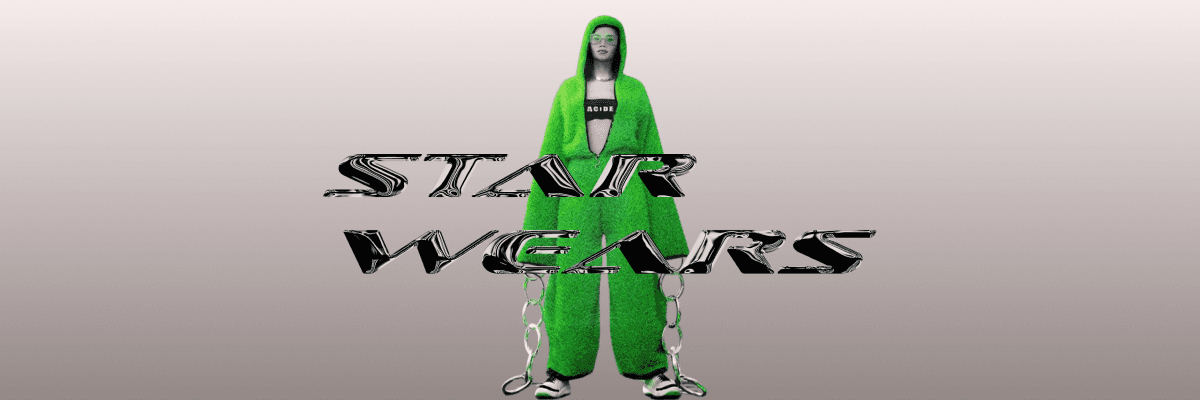
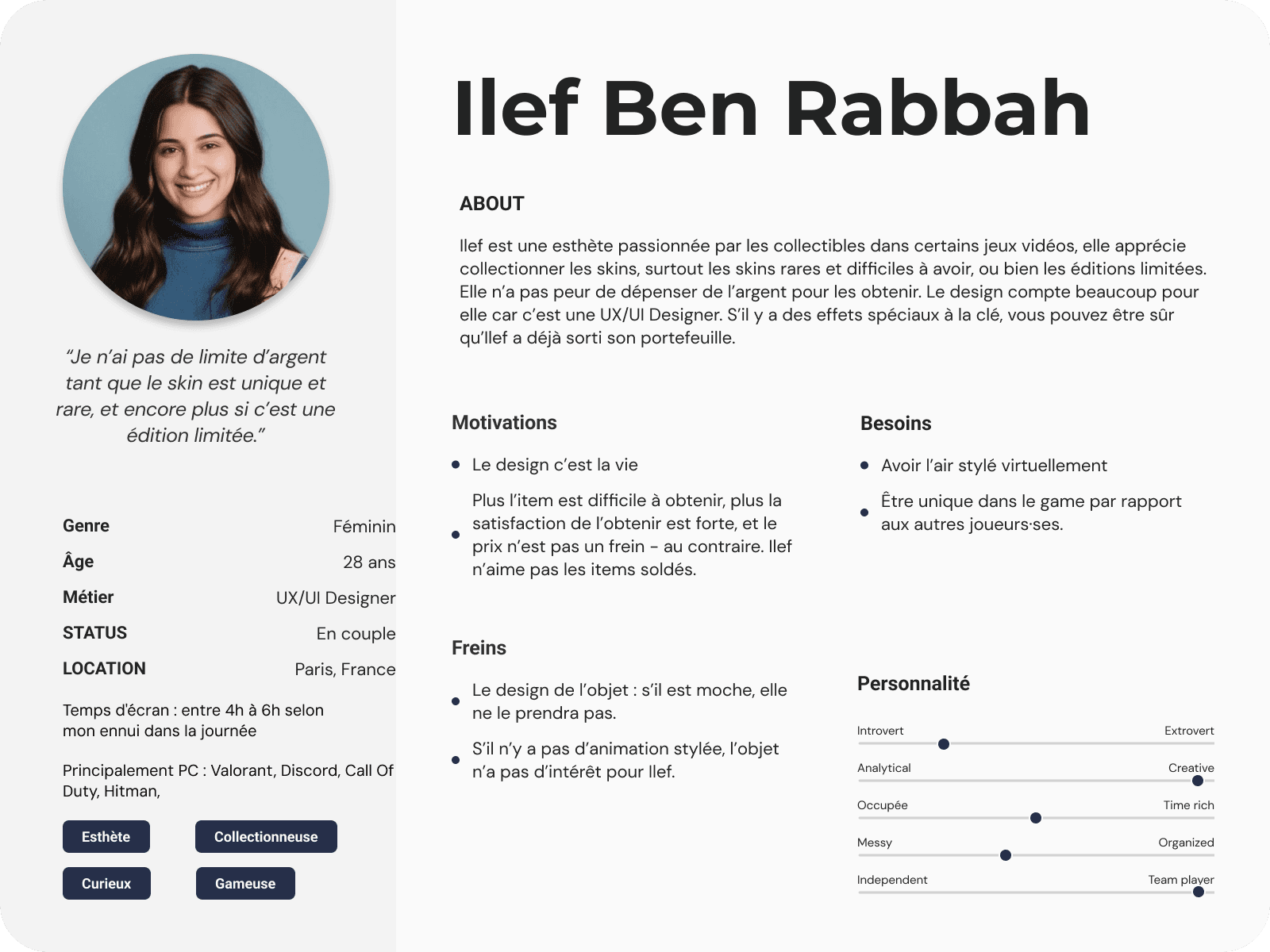
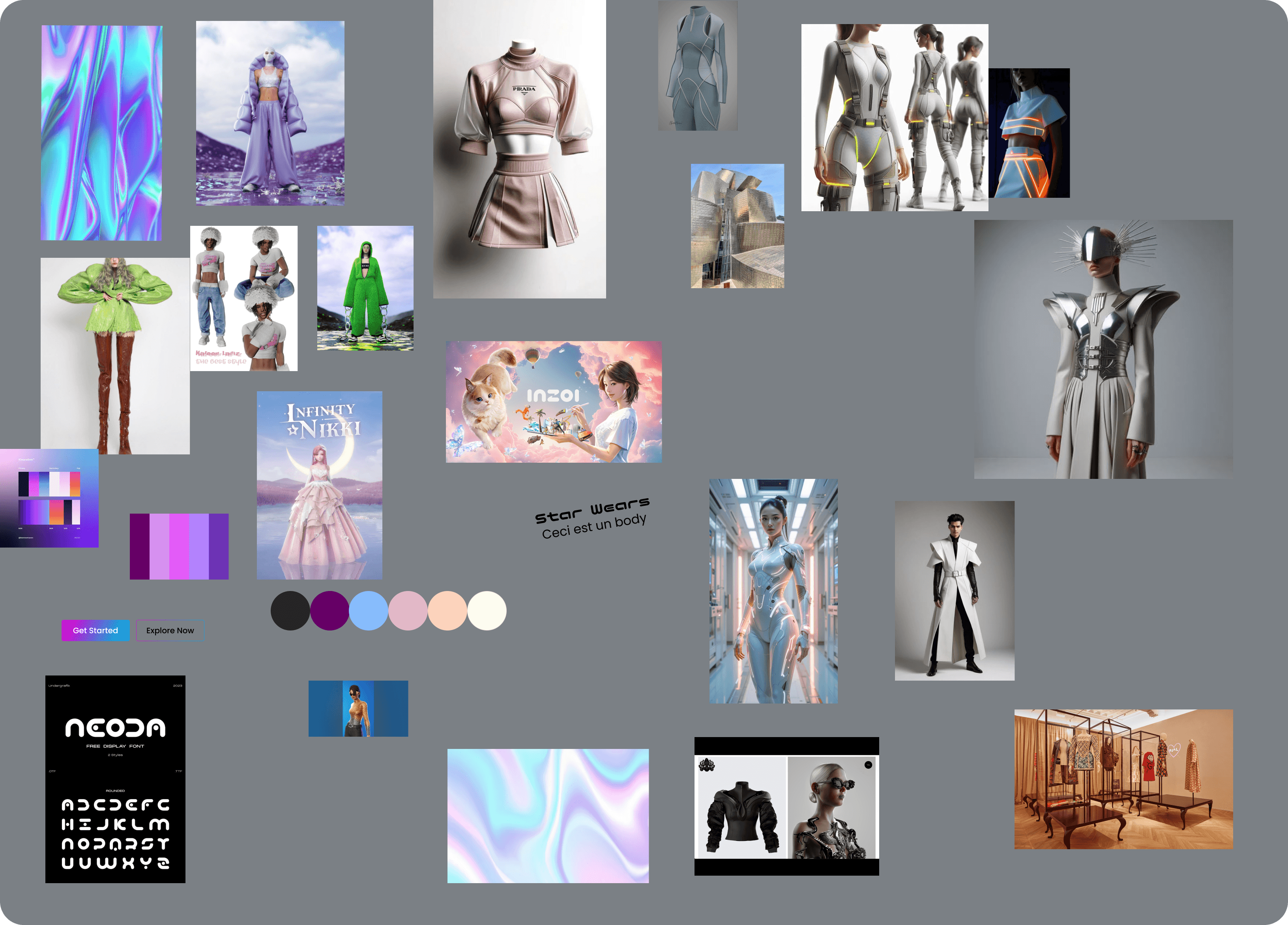
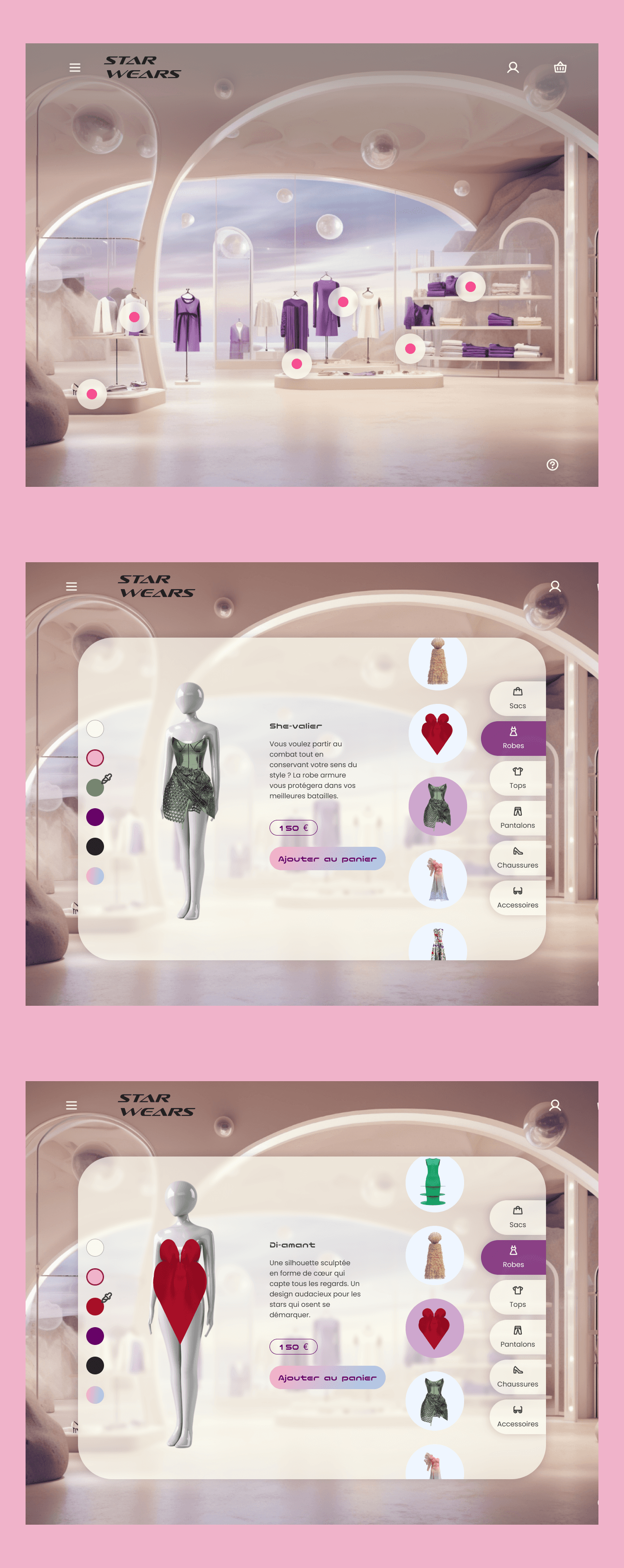
For this student project, a team of four was given two days to concept and prototype a virtual clothing brand from zero. Our target user was Ilef, a 28-year-old gamer and design-driven collector who spends on digital avatar items when the design is rare, unique, and visually striking. Moving quickly through the full design process, we developed a moodboard, established a UI kit, and progressed from low-fidelity wireframes all the way to high-fidelity frames. The final prototype demonstrates a desktop shopping flow for virtual avatar clothing. The result is Star Wears, a Y2K inspired virtual fashion brand that channels a futuristic vision of the past with clothes that are bold, nostalgic, and unmistakably forward-looking.
What we chose and why
For our target audience, we conducted quick market research and found that the average user interested in virtual fashion tends to be in their mid to late twenties, with a strong interest in gaming and a genuine understanding of the social and cultural value of digital self-expression. With that in mind, we selected a Y2K revival theme, an aesthetic that felt native to today's edgy virtual landscape while carrying real nostalgic weight for our demographic. From there, we researched existing avatar clothing interfaces to find layouts that matched the brand's vision before collaborating on our wireframes.
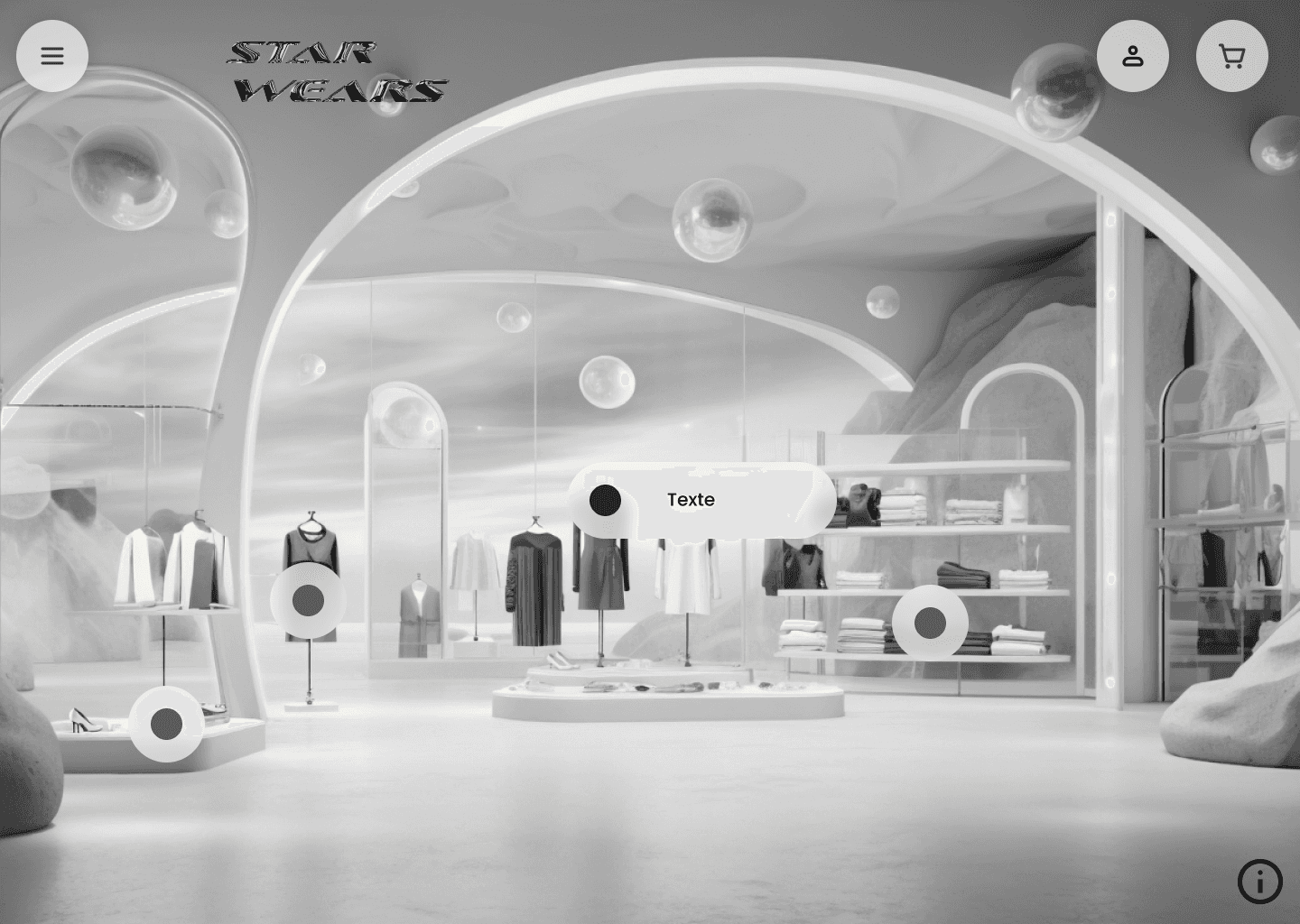
A key design decision was choosing an immersive 3D boutique environment over a standard e-commerce catalogue. Rather than simply buying a skin, we wanted the user to feel like they were stepping into a world that extended their own virtual experience. Shopping becomes part of the game rather than a break from it. To further serve our audience's desire for unique self-expression, we prioritised personalisation throughout the product screens, giving users the ability to customise colour and style directly. The inclusion of a mannequin preview reinforces this by allowing users to visualise how a piece would actually look on their avatar before committing to a purchase.
Results
In two days, our team delivered a fully branded desktop prototype covering the complete user flow from the immersive boutique landing screen through to product selection and colour customisation. The UI kit and moodboard established a coherent visual system that carried the Y2K revival aesthetic consistently across every screen. The final result is a UI that captures the playful spirit of games like The Sims while pushing into something more cinematic and futuristic, an immersive virtual boutique built for users who treat their digital identity as seriously as their real one. Our teacher recognised the genuine creative ambition of the work, and the primary feedback was to push further on interactive elements to better demonstrate the full potential of the prototype.
Notes to Future Me

In hindsight, having the right photo editing software from the start would have saved significant time. Finding suitable base models for our high-fidelity frames proved harder than expected as very few matched the futuristic and genderless aesthetic we were going for. On the UI side, the product description text sits over a frosted glass panel that in certain areas makes it difficult to read, meaning contrast and legibility need to be revisited to ensure the copy is always clear regardless of the background. The category navigation sidebar is also functional but visually understated compared to the richness of the rest of the interface, and would benefit from being elevated to better match the overall aesthetic. Finally, the customer journey was cut short due to time constraints, and a checkout flow alongside a user profile screen would have completed the experience and better demonstrated the full vision of the brand.
